
IN THIS ARTICLE:
- Why the Return Trip North Is Actually Easier to Ship
- When to Book Your Northbound Shipment (June Timeline)
- Most Popular Snowbird Return Routes
- How to Prepare Your Car After a Florida Winter
- Open vs. Enclosed for the Return Trip
- Special Section: Shipping Your EV Back North
- What to Do If Your Car Arrives Damaged
- 5 Mistakes Snowbirds Make When Shipping Back North
- FAQ
The winter season is winding down, and millions are preparing for the annual migration back home. You likely already know the drill for heading south in the fall, but the return leg requires a completely different strategy. Shipping your car back north in the spring and early summer is fundamentally different from the autumn rush – and if you know how to navigate the carrier network, it is actually to your advantage.
The northbound route offers a unique window where carrier availability shifts in your favor. Because the bulk of auto transport traffic flows heavily south during the winter, carriers are highly motivated to fill their trailers for the return trip north.
This guide breaks down exactly how to capitalize on this seasonal shift, avoid the mid-June bottleneck, and get your vehicle home safely – whether you are shipping from Florida, Arizona, Texas, or anywhere else in the Sun Belt.
Why the Return Trip North Is Actually Easier to Ship
Most auto transport articles focus entirely on the trip south, ignoring the sheer logistics of the reverse route. Here is the reality of the industry: carriers hate driving empty.
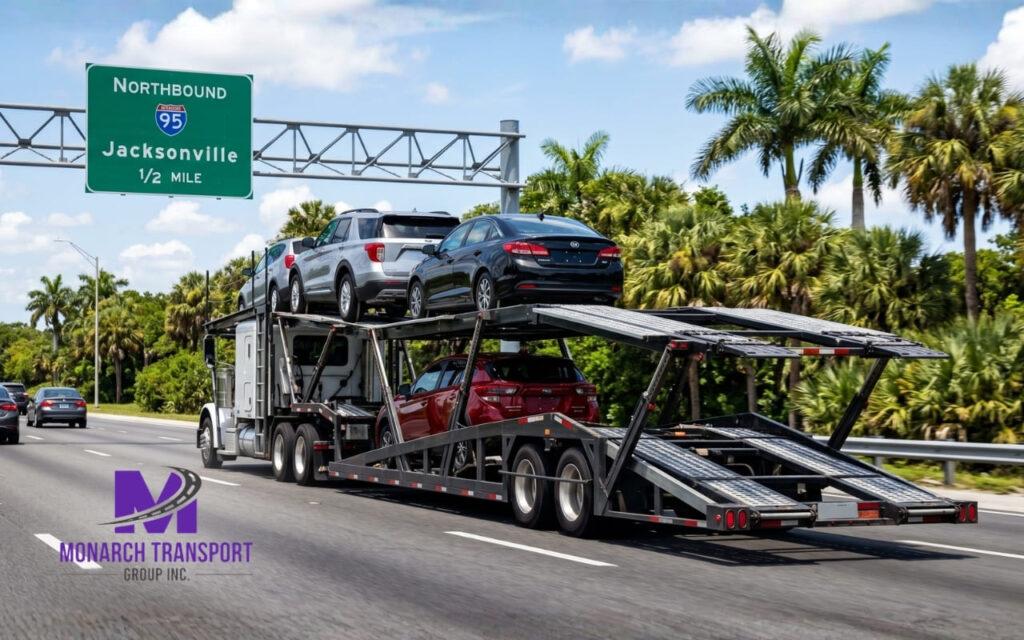
When you book a snowbird return car transport from states like Florida, Arizona, or Texas back to the northern states, you are tapping into a market with excess capacity. Carriers have just dropped off hundreds of vehicles for late-arriving snowbirds or dealership inventory moves, and they need to head back to their northern hubs. To avoid “deadhead miles” – driving without a paying load – dispatchers lower their rates to fill those remaining spots on the trailer.
You can leverage this directly. If you give a broker a 3-to-5-day pickup window rather than demanding a strict date and time, they can match you with a carrier that needs to fill that last spot on the top deck. The result is a discounted rate passed directly to you.
This is one of the most underreported advantages in seasonal auto transport. The FMCSA regulates all carriers operating these routes, so regardless of price, every legitimate carrier is licensed and insured. The savings on a reverse route do not come at the expense of protection.
For a full breakdown of what drives car shipping costs on any route, see our Complete Guide to Car Shipping in 2026.
When to Book Your Northbound Shipment (June Timeline)
“Book early” is standard advice, but let’s put concrete numbers on it for the spring migration. If you plan to leave your winter home in June, you need to finalize your booking in May.
The transition from May to June triggers a massive spike in demand. Retirees are heading back north, college students are shipping cars home for the summer, and corporate relocations peak. All of this competes for the same carrier capacity on the same corridors.
To secure a reliable carrier without paying surge pricing:
Waiting until the last week of May to book a June transport guarantees you will be competing for a shrinking pool of available truck space. Brokers have to raise the “load board bounty” – essentially the fee paid to attract a carrier – and that cost is passed directly to you.
One practical tip: if your departure date is flexible by even a few days, mention that when you request quotes. Moving your pickup from June 1 to June 4 or 5 can mean the difference between surge pricing and a standard rate.
For more on how timing affects what you pay, see our guide on how much it costs to ship a car between states.
Most Popular Snowbird Return Routes
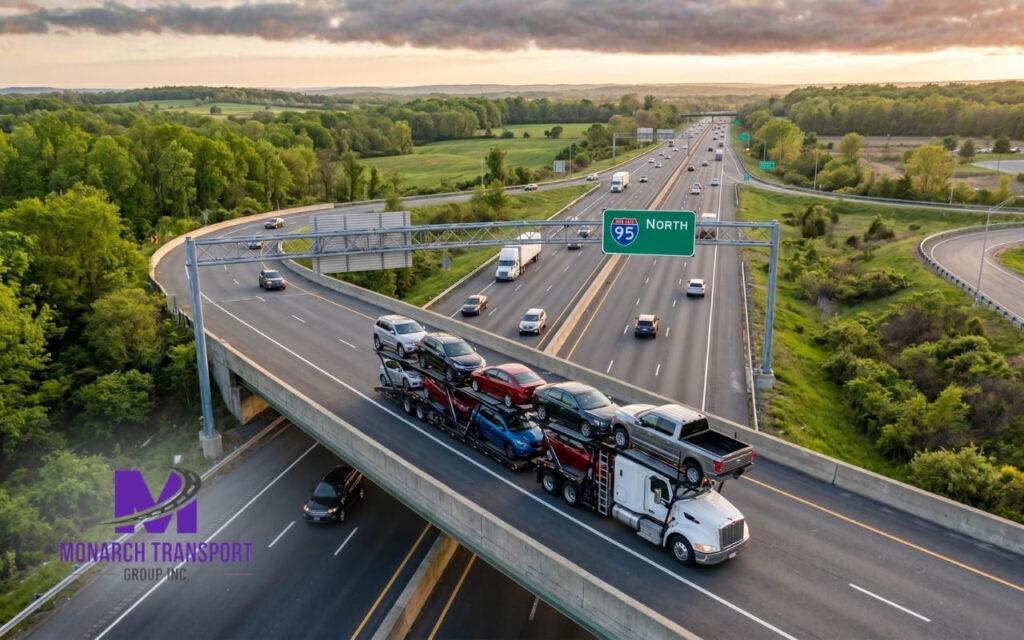
Carrier availability depends heavily on exactly where you are headed. High-traffic corridors are serviced daily, while remote routes require more lead time and sometimes cost more.
| Route Direction | Typical Transit Time | Carrier Availability | Cost Trend |
| Florida → Northeast (NY, NJ, PA, MA) | 3–5 days | High – daily dispatches along I-95 | Highly competitive, frequent reverse deals |
| Florida → Midwest (OH, IL, MI) | 4–6 days | High – standard I-75/I-65 routes | Stable, good availability through May |
| Arizona → Pacific Northwest (WA, OR) | 5–7 days | Medium – weather-dependent through mountain passes | Slightly higher due to terrain |
| Texas → Central/Northern States | 4–7 days | Medium to High – I-35 corridor | Favorable rates for standard vehicles |
A few notes on these routes:
Florida to the Northeast is the single most active northbound corridor in spring. I-95 runs with heavy carrier traffic from March through June, which means if you are in Miami, Orlando, or Tampa, you have the most options and the best pricing leverage.
Arizona to the Pacific Northwest is the most logistically complex return route. The mountain passes through Nevada, Oregon, and Washington can create delays in early spring, especially if late-season snowfall affects I-84 or US-97. Book earlier on this corridor – 5 to 6 weeks minimum.
Texas northbound routes are stable year-round due to the sheer volume of commercial freight on I-35. Snowbirds returning from the Dallas or Houston areas typically find good availability and reasonable pricing from April through June.
If your pickup or delivery point is more than 30 miles from a major interstate, add extra lead time. Rural access is the single biggest factor in slow dispatch times. For information on how door-to-door vs. terminal-to-terminal service works and when each makes sense, see our dedicated guide.
How to Prepare Your Car After a Florida Winter
Prepping a car to ship back from Florida or Arizona is not the same as prepping it in Ohio. A car that has spent months in a humid, coastal environment or a baking desert requires specific attention before it is loaded onto a transport trailer. The heat and salty air directly affect your vehicle’s components, even if it spent the winter sitting in a condo parking garage.
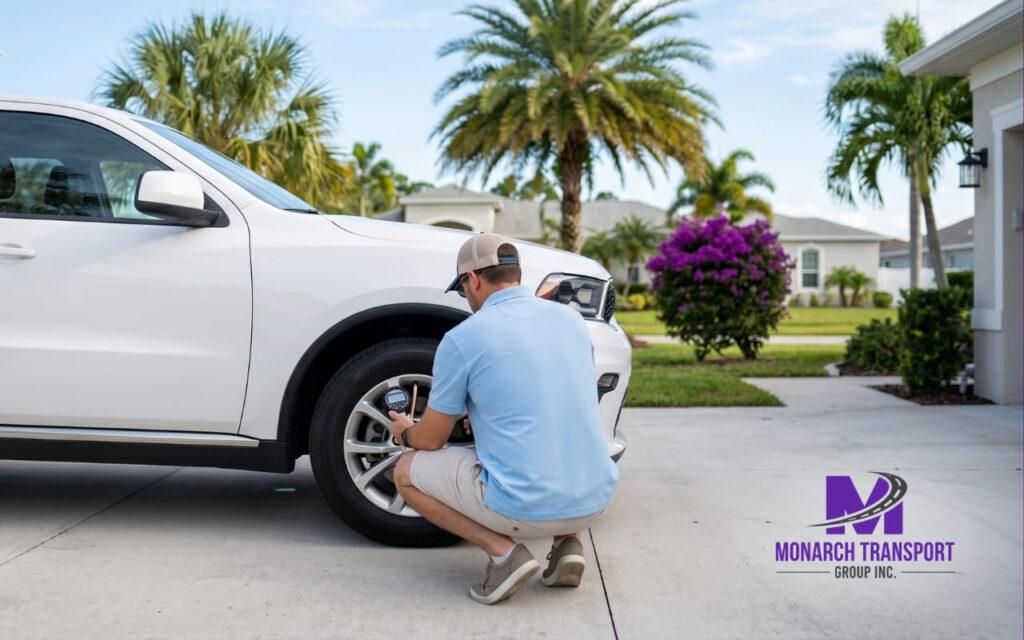
The South-to-North Prep Checklist:
For the full preparation process, see our step-by-step car shipping preparation checklist.
Need a carrier that handles coastal Florida pickups? Get a free quote here.
Open vs. Enclosed for the Return Trip
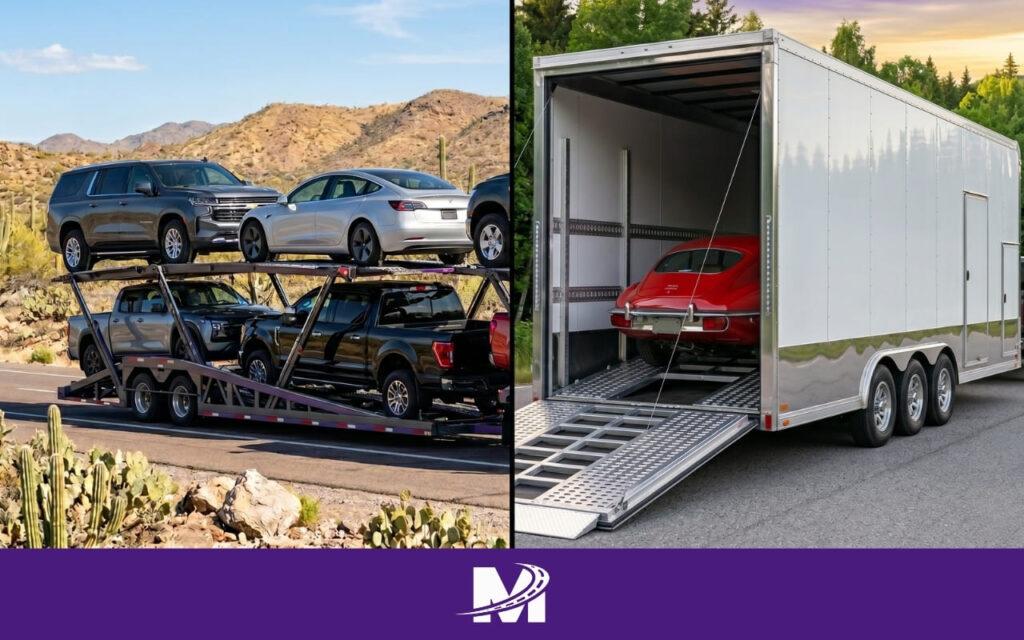
You already know the difference between the two transport types, but the right choice for your return trip depends on what your car endured over the winter and what conditions it will face heading north in late spring.
| Feature | Open Transport | Enclosed Transport | Best For |
| Protection level | Exposed to weather and road debris | Fully shielded from all elements | Open: standard daily drivers, SUVs |
| Cost | Baseline price | 30–50% more expensive | Enclosed: luxury, classic, sports cars |
| Availability | ~90% of the carrier fleet | Limited capacity, advance booking required | Open: flexible scheduling |
| Transit speed | Usually faster due to fleet size | Slightly longer dispatch times | Enclosed: high-value vehicles |
For the vast majority of snowbirds, open transport is sufficient for the spring return. However, consider enclosed transport if:
Our full guide to open vs. enclosed auto transport covers every factor in detail, including the specific cases where enclosed is worth the premium.
Special Section: Shipping Your EV Back North
Electric vehicles are becoming increasingly common in snowbird communities, particularly Tesla Model Y, Model 3, and Rivian R1S owners who head south for the winter. But shipping an EV back north involves logistics that do not apply to a standard gas vehicle.

Weight is the primary issue. EV battery packs add anywhere from 800 to 1,500 pounds compared to equivalent gas-powered vehicles. Federal axle weight limits for transport trucks do not change based on what they are carrying. When a trailer is hauling EVs, the driver may only be able to load six or seven vehicles instead of the usual eight to ten. That reduced capacity means your EV will cost more to ship – this is standard across the industry and is not a sign of price gouging.
Battery preparation matters. Before your EV is loaded:
Carrier compatibility. Not all carriers are equipped to handle every EV model. Some lack the specific wheel strap configurations required for wider or heavier EVs, or carry lower insurance limits that do not cover high-value battery replacements. When you request a quote, explicitly state the make, model, and trim of your EV upfront. A carrier who is not equipped will tell you before dispatch, saving everyone time.
For the complete EV shipping guide including charging protocols, carrier selection, and insurance considerations, see our dedicated article on how to ship your electric vehicle safely in 2026.
What to Do If Your Car Arrives Damaged
Most shipments arrive without incident. But if you spot a new scratch, dent, or scrape at delivery, knowing exactly what to do in the first five minutes separates a resolved claim from an unrecoverable loss.
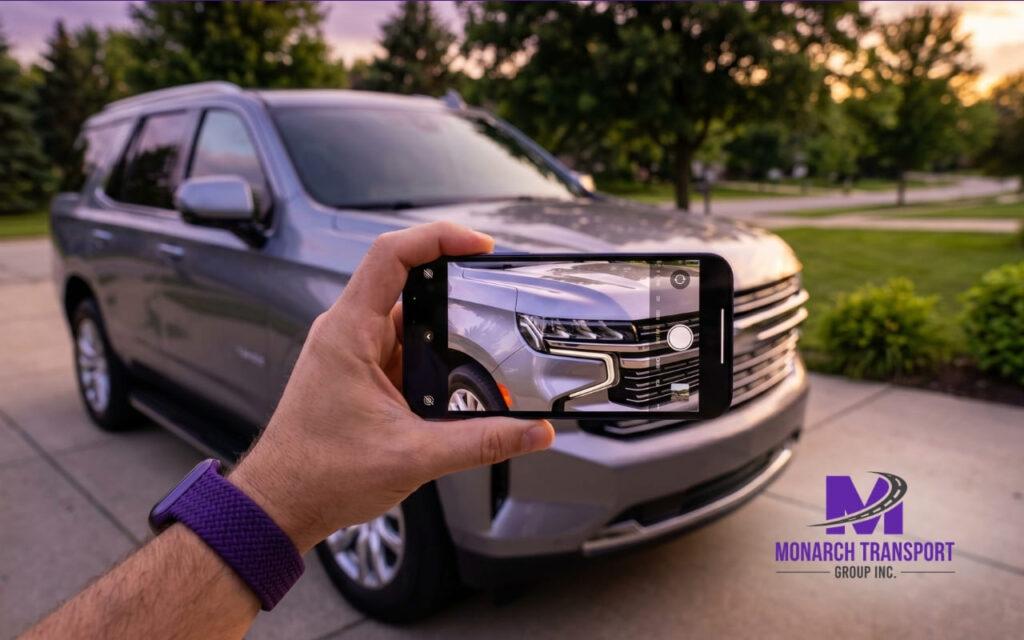
Follow these steps in this exact order:
Standard resolution time for a properly documented claim is 30 to 90 days. Incomplete documentation – missing photos, no notation on the BOL, or a signed-clean delivery receipt – dramatically reduces your chance of a successful claim.
To avoid working with unvetted operators in the first place, review our guide on how to spot and avoid car shipping scams.
5 Mistakes Snowbirds Make When Shipping Back North
Even experienced snowbirds make these errors on the return trip. Avoid all five.
1. Booking a June shipment in June. Waiting until the month you want to leave guarantees surge pricing and a reduced pool of available carriers. Book in May for June departures – this is non-negotiable.
2. Skipping the post-winter vehicle inspection. A car that sat in Florida heat for five months is not the same as when you parked it in November. Battery health and tire pressure must be checked before pickup. Ignoring this leads to winching fees at best, and pickup refusal at worst.
3. Using the car as a moving box. Golf clubs, suitcases, fishing gear, and boxes in the back seat or trunk violate DOT carrier regulations. The carrier has the legal right to refuse your vehicle if it contains prohibited items, leaving you scrambling for a rebooked shipment during peak season.
4. Rushing the BOL signature at delivery. This is the single most costly mistake. Always inspect the vehicle in full daylight before signing. If it is dark at delivery, ask to wait until morning – you have the right to inspect before signing.
5. Refusing to use flexible pickup dates. Demanding a specific single pickup date blocks you from accessing reverse-route carrier deals. A 3-to-4-day window costs nothing and can save you $100 to $200 on the total transport cost.
Spring fills up fast. Lock in your northbound rate now before June carrier capacity tightens. Get your free quote from Monarch Transport.
FAQ
Shipping a car from the South back north typically costs between $600 and $1,200 for open transport, depending on the distance, vehicle size, and specific pickup and delivery locations. The south-to-north spring route is generally 10–15% cheaper than the autumn southbound trip due to carrier availability. Use our instant car shipping calculator to get a quote for your exact route.
Book 4 to 6 weeks in advance – ideally in early to mid-May for a June departure. June is one of the peak months for auto transport demand. Early booking locks in carrier availability and protects you from last-minute price increases.
No. Carriers are licensed by the DOT to transport vehicles, not personal property. Items left in the vehicle are not covered by cargo insurance and can result in the carrier refusing pickup if the weight exceeds limits. Remove everything before the driver arrives.
Florida to the Northeast typically takes 3 to 5 days in transit. Florida to the Midwest runs 4 to 6 days. Arizona to the Pacific Northwest generally takes 5 to 7 days. Add 1 to 3 days for dispatcher lead time from booking to actual pickup.
You or a designated representative over the age of 18 must be present at both locations to sign the Bill of Lading and inspect the vehicle. You can designate a neighbor, property manager, or family member if you are traveling separately – just notify your broker in advance.
Yes, in most cases. The autumn southbound rush creates high demand and higher prices. The spring northbound return has more carrier availability because trucks are heading back to their home bases. Being flexible with your dates amplifies this advantage significantly.
The Bill of Lading is the legal document that records the condition of your vehicle at pickup and delivery. It is your primary protection in any damage dispute. Always review it carefully and note any existing or new damage before signing at either end of the transport.
Related articles

10 Best Platforms to Buy or Sell Used Cars Online in 2026
IN THIS ARTICLE: Platform Comparison at a Glance Safety: How to Protect Yourself on Any Platform The Bottom Line: Choosing Your 2026 Auto Platform FAQ Buying or selling a used

ATV vs UTV Shipping: Costs, Methods & What to Expect in 2026
IN THIS ARTICLE: The Fundamental Difference: Dimensional Weight and Trailer Space Average Shipping Costs in 2026: What to Budget Best Time to Ship Your ATV or UTV – Seasonal Price

Best Places to Buy a Motorcycle Online in the USA
IN THIS ARTICLE: The Digital Shift: Geography No Longer Constrains the Ride Where to Buy: Top 2026 Platforms Analysis Comparison Table: Platform Overview The Facet of Finance: Not Just the

Complete Guide to Car Shipping in 2026
The landscape of American mobility has shifted, making vehicle logistics more accessible and seamless than ever before. Understanding this new norm is the first step toward a stress-free relocation that

Complete Guide to RV Shipping in 2026
IN THIS ARTICLE: Introduction: The Freedom of the Road, Delivered by Professionals Understanding the Fleet: Classes and Types of RVs Methods of Transport: How We Get Your RV Home Measuring

How State-to-State Car Transport Works: From Pickup to Delivery
IN THIS ARTICLE: Understanding the Auto Transport Ecosystem Choose Your Transport Type The Process of Shipping Calculating the Cost and Timeline of State-to-State Car Transport The 2026 EV Transport Protocol

How to Choose the Right Auto Transport Company: Red Flags and Green Flags
IN THIS ARTICLE: First, Understand How the Industry Actually Works 🚩 Red Flags – Walk Away Immediately ✅ Green Flags – Signs You Found a Reliable Company Broker vs. Carrier

How to Ship Your Electric Vehicle (EV) Safely in 2026
IN THIS ARTICLE: The Reality of EV Logistics in 2026 Why EVs Change the Math: The Weight Factor The “50% Rule”: Battery Safety and State of Charge (SoC) Vetting the